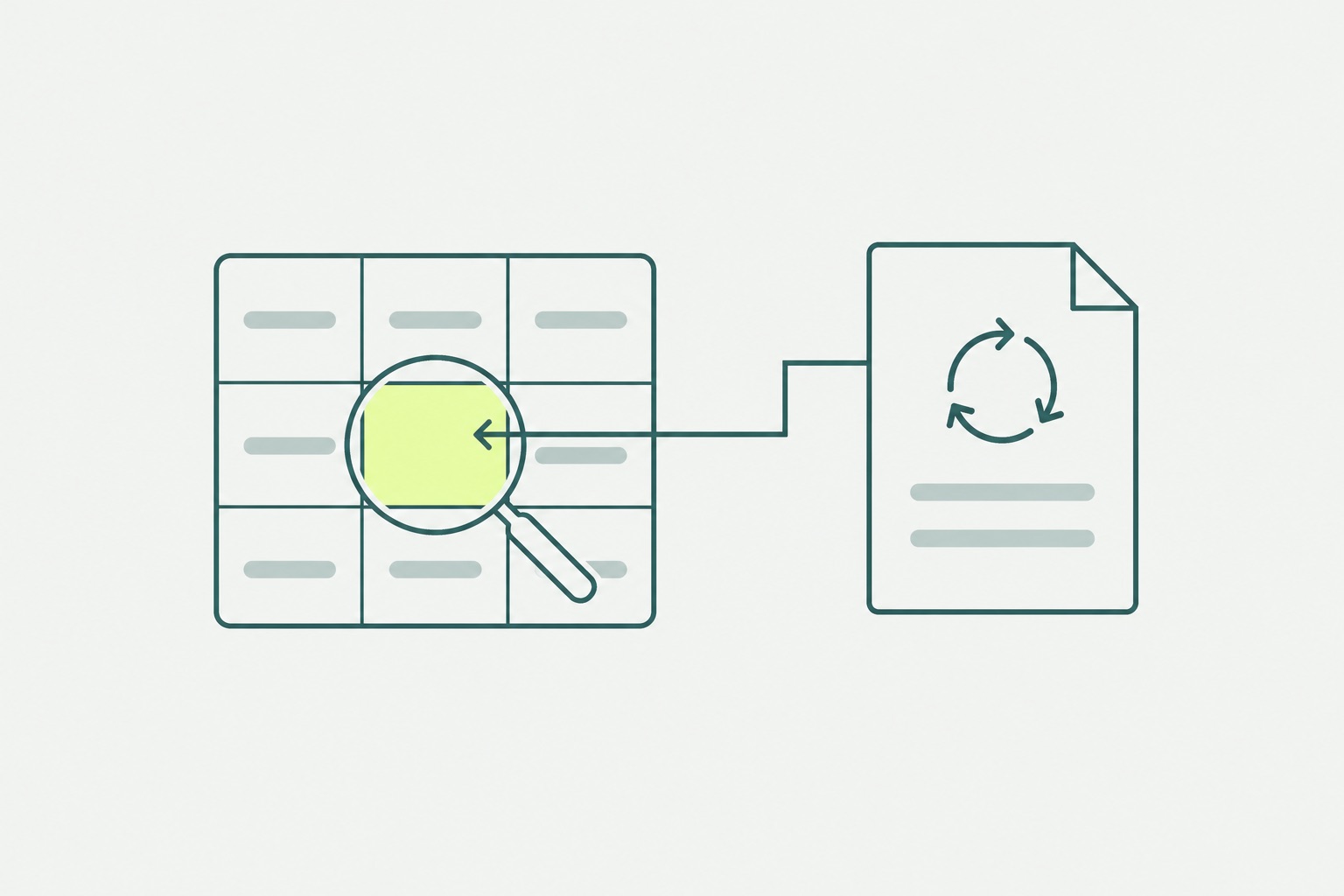
Every item master is measured in rows. The work, the risk and the cost all run on a different number, and almost nobody has it.
Ask a company how big its item master is and the answer comes back quickly. Thirty thousand. Six thousand active. Fifteen thousand with a current status. The number is exact, it comes straight out of the ERP, and everyone in the room accepts it.
Then ask a second question: how many different manufacturer part numbers sit behind those rows?
The room goes quiet. Not because the answer is embarrassing, but because the question is new. The register was built to be counted in rows, because a row is what gets ordered, stocked and sold. The part number is an attribute of the row, and attributes do not get counted.
The multiplier nobody owns
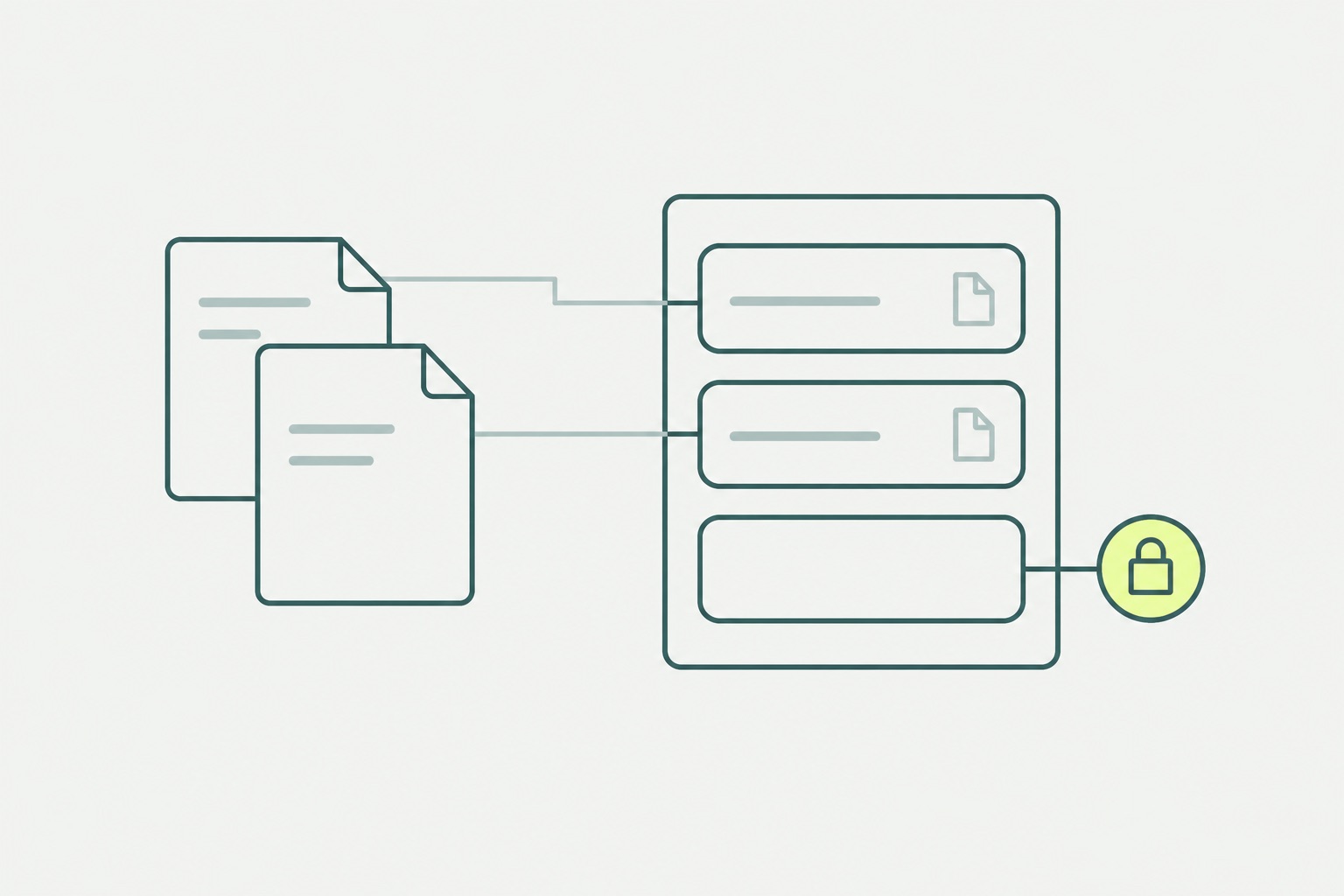
In a purchased-parts register, a single row very often has more than one approved manufacturer behind it. The engineering specification admits two or three makers for the same bearing, the same relay, the same seal. Procurement buys whichever is available at the price that week. The row stays the same.
Ask how many approved manufacturers a typical row carries and the answers range from one to five, with two or three being unremarkable. A register of twenty thousand rows can therefore be forty or fifty thousand distinct parts to identify, find documents for and verify.
That multiplier is not an accounting curiosity. It is the actual size of every piece of work that touches the item master.
Why the number is hard to get
There is a reason the question cannot be answered by a quick query, and it is the same reason in most registers.
The field is called manufacturer. It does not reliably contain one.
In practice that column holds whatever the person creating the item knew at the time: sometimes the maker, often the distributor the part was bought from, sometimes a local supplier, sometimes a code that means neither. The part number beside it inherits the same ambiguity. A distributor’s article number and a manufacturer’s part number look alike, sit in the same column, and behave completely differently when someone tries to find a datasheet.
So the honest answer to “how many distinct part numbers do you have” is usually “we can count the values, but we cannot yet say how many of them are manufacturer part numbers”. That is a finding, not a failure, and it is worth having before any plan is written rather than after.
Three places the wrong count does damage
Scope and schedule
A project estimated on rows and executed on part numbers runs over by the multiplier. Nobody misjudged the work; they measured the wrong thing.
Duplicate claims
A duplicate rate measured across rows is a statement about codes, not about parts. Two rows carrying the same manufacturer part number under two different distributor names are one part. Two rows with the same description and different manufacturer part numbers are two parts. Row-level de-duplication finds the first case only by accident and reports the second as a success. (Duplicate detection and consolidation are in development in inRecipe, and they depend on the identity being resolved first, which is the point.)
Supply risk, in both directions
This is the costly one. A row with a single supplier name looks single-sourced and may already have three approved makers behind it. A row with two supplier names looks dual-sourced and may be two distributors of one factory. A risk register built on the row count is wrong in both directions at once, and it is wrong quietly.
There is a fourth, which is newer. Country of origin is a property of a shipment, not of a row. A row with three approved manufacturers in three countries has no single origin, and a register that stores one value in that field is storing whichever one was typed. For anyone now answering an origin question in writing, that is not a data quality problem. It may be an incorrect declaration, and nobody can tell from the row.
Getting the number
It takes an afternoon, and it does not need a project.
Count the rows that are actually active, by transaction or by status. Count the distinct non-empty part-number values behind them, including every approved manufacturer, not just the primary. Divide. That is the multiplier, and it is the first honest measure of the register’s size.
Then take twenty of the manufacturer names at random and check how many are makers and how many are distributors. That share tells you how much of the identity work is already done and how much is still ahead.
A Start can take the approved alternates as rows, one per item and maker part number, and run each as its own record, so the multiplier comes back with the result. Approved makers as their own records under the item, each with its own part number, documents and origin, and a row with makers in three countries exported with no single origin, are in development in inRecipe.
Both numbers belong to the company, and they are worth having before anyone is asked for a quote.
- The row count is the number every company has. The part-number count is the number every piece of work runs on.
- A single row can carry several approved manufacturers, so a register is usually larger than its item count suggests.
- The multiplier is hard to compute because the manufacturer field holds makers and distributors mixed together.
- Duplicate rates and single-source risk measured on rows are both unreliable, and the supply-risk error runs in both directions.
- A single stored country of origin on a row that admits several makers in several countries may be right for one shipment and wrong for the next, and the row does not say which.
- Two queries and an afternoon produce the multiplier. It is worth having before any item-data project is scoped.
Further reading

More than 20 years turning data and AI into business value and working solutions. CEO of Data Design, previously at Silo AI. At inRecipe he leads the product and the Starts.