Every enrichment tool has a quiet rule for the moment two sources disagree. Most of them do not tell you what it is.
The quiet rules
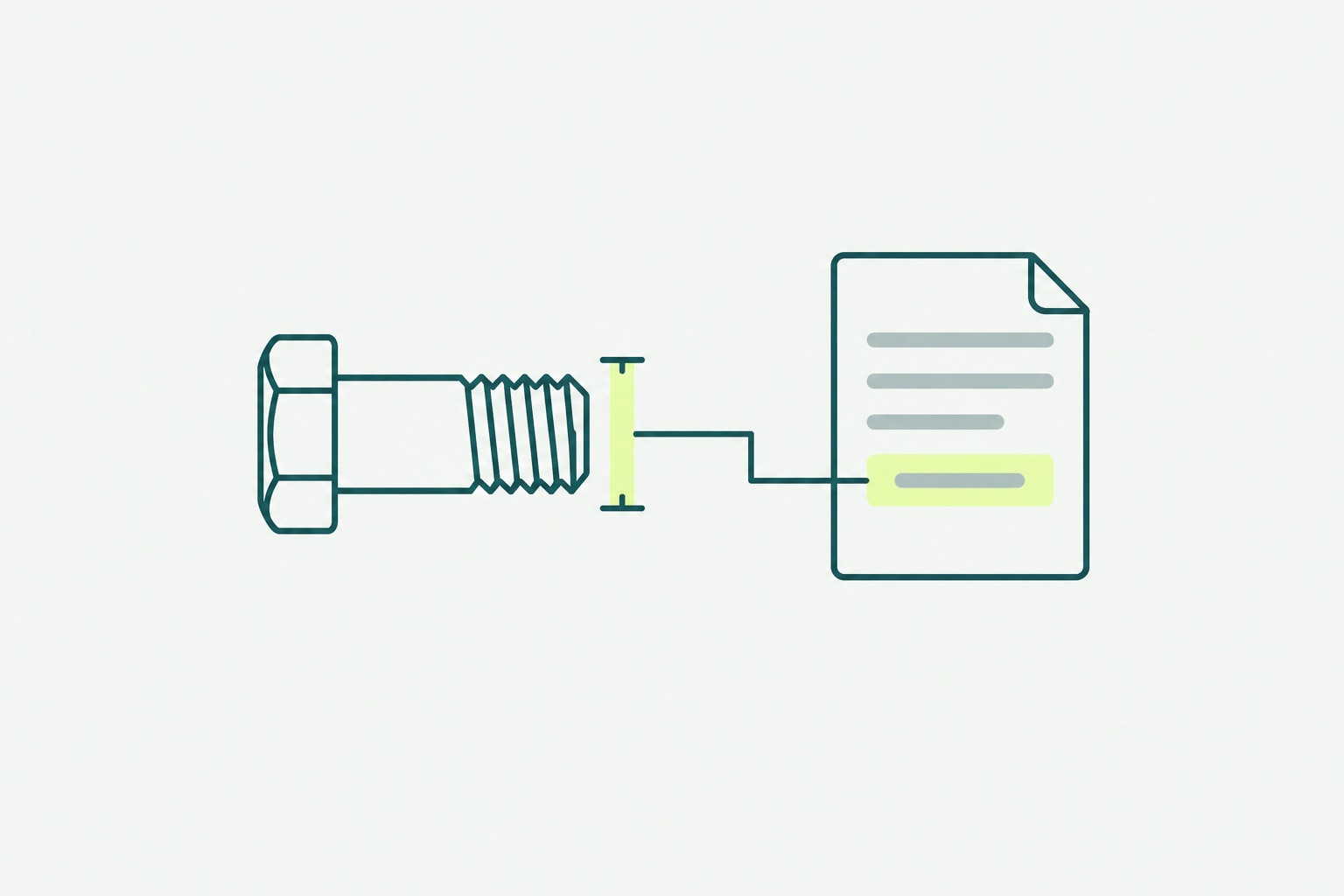
Take a net weight. The maker’s datasheet says 345 kg. A distributor’s product page says 352 kg. Both are real documents, both name the part, both were read correctly. A tool built to fill fields now has a choice, and whatever it chooses, it has made a decision it cannot defend. “Prefer the maker” is a policy, not a fact. “Prefer the latest” is a guess about which document was updated. “Average them” is a number that appears on no page at all. And the most common rule, “first one wins”, is not even a rule; it is the order the fetches came back in.

The cell looks fine afterwards. That is the problem. A weight of 345 kg with a page citation looks exactly like a weight nobody argued about, and the person who later ships the crate, declares the consignment or prices the freight has no way to know that a second document said otherwise.
Sources differ
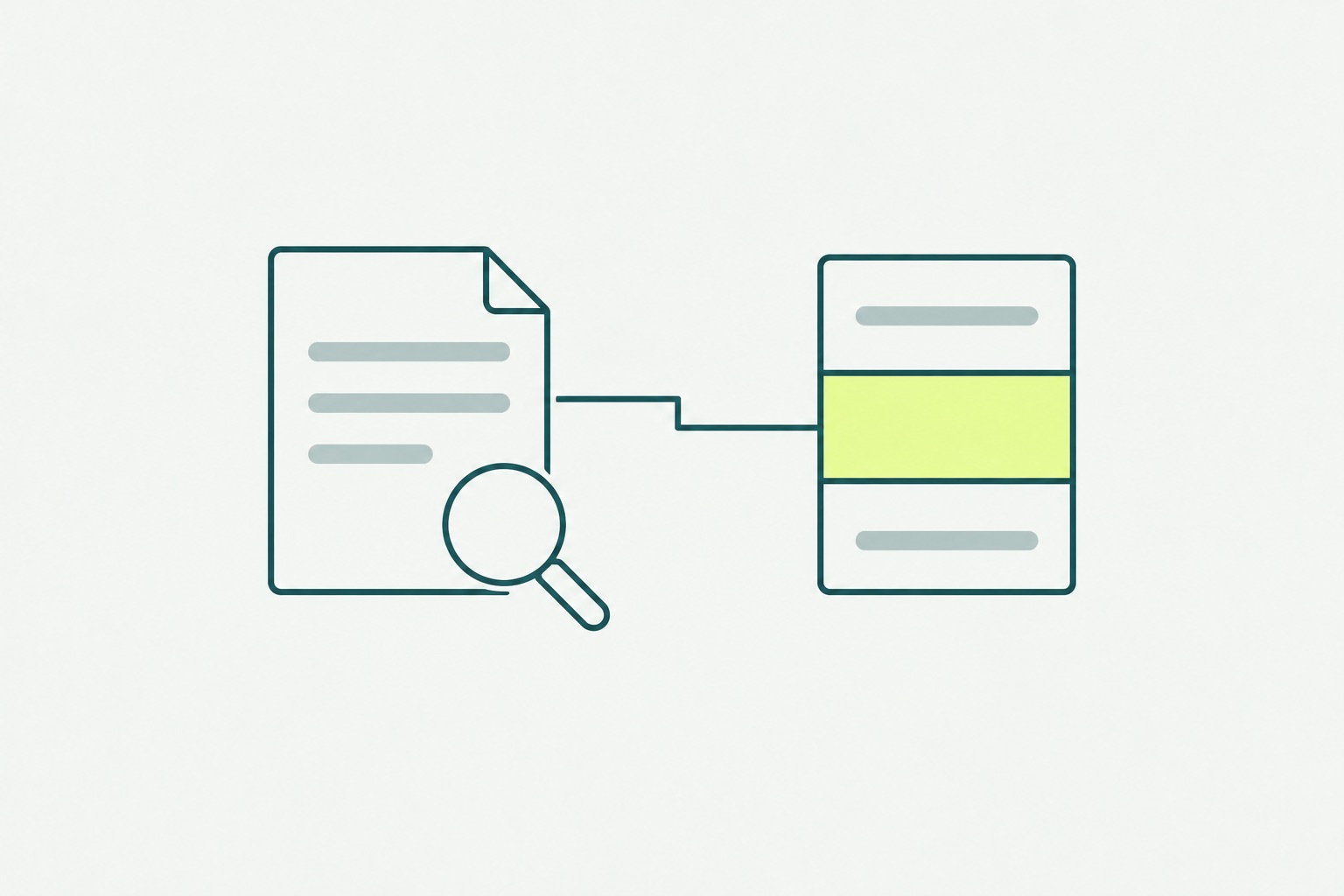
inRecipe does something duller. When two admitted readings of the same field disagree, the cell does not pick one. It is marked disputed, it carries both values with both sources, and it goes to a person. The delivery says “sources differ” where a number would have been, with the two numbers beside it and the pages they came from. The item lands on the review list, not in your system.

Two details matter in that frame. Neither source is marked wrong, because the system does not know which is; a cross on one card would itself be a silent decision. And the cell is not empty either. An empty cell says nothing was found. This cell says two things were found, and that is more information, not less.
The shortest list in the delivery
Why is this good news for the buyer rather than a shortfall in the product? Because of what the list of disputed cells is. It is the shortest list in the delivery, and every item on it is one where an hour of a person’s attention changes something: a declared weight, a customs code, a material that decides a tariff chapter. A system that picks silently hands you a long list of confident values and no way to find the few that were coin tosses. A system that says “sources differ” hands you exactly those few.
One state among four
The state is not a special case bolted on for weights. It is one of the content states every cell in the record can carry, alongside “present”, “searched, not found” and “not applicable”, and it arises wherever two readings meet: two documents, a document against the code the record arrived with, two classifications of the same item. In practice it turns up most often on customs codes, where the code a record arrived with and the code the documents support do not agree. That short list is the first thing a compliance lead will want to see, which is the point.
Disagreement is information. The only wrong way to handle it is to hide it.
- When two sources disagree, any rule that picks one is a decision nobody can defend later.
- inRecipe marks the cell disputed, keeps both values with their sources, and sends it to a person.
- Neither source is marked wrong, and the cell is not empty: two things were found.
- The disputed list is the shortest list in the delivery, and the one worth a person’s hour.
Further reading

More than 20 years turning data and AI into business value and working solutions. CEO of Data Design, previously at Silo AI. At inRecipe he leads the product and the Starts.